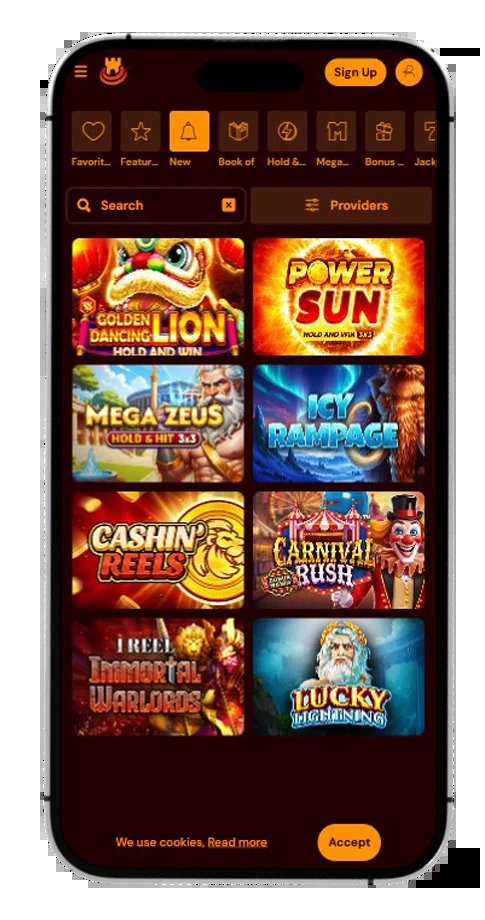
From binge‑watching habits to pocket‑sized play, this article shows how mobile gaming apps are reshaping everyday leisure in the UK.
1. The 24‑hour play window that fits a commuter’s schedule
During a 45‑minute train ride, a player can finish a full level of a puzzle or strategy game. In 2024, the average mobile gaming session in the UK lasted 12 minutes, a 15 % rise from 2023. Those short bursts fit neatly into the daily commute, turning idle travel time into a productive, entertaining slot.
Because the apps are built for quick starts, developers use a “tap‑to‑play” interface that skips login screens and long loading times. The first impression is almost instant, keeping players from abandoning the app after a slow start.
2. The rise of micro‑transaction culture and its impact on spending habits
Micro‑transactions have become a standard revenue model for mobile games. In the UK, 38 % of players reported spending more than £10 per month on in‑app purchases. That figure is driven largely by cosmetic items—skins, avatars, and themed bundles—priced between £0.99 and £4.99.
These low‑price points lower the barrier to entry, encouraging casual players to try new titles. However, the same model can lead to “pay‑to‑win” dynamics, where competitive players feel pressured to spend to keep pace. For families, this can mean an unexpected monthly bill if a child is drawn into a freemium title.
3. Social integration and the shift from solitary to communal play
Modern mobile games embed social features: leaderboards, friend lists, and real‑time chat. In 2023, 55 % of UK gamers used a game’s social component to connect with at least one friend weekly. This integration turns a solitary pastime into a shared experience, often replacing traditional group activities like pub quizzes or board‑game nights.
Because these interactions happen within the app, players can coordinate strategies or share achievements without leaving the game. The result is a new form of social bonding that is less dependent on physical proximity.
4. The blurring line between gaming and other entertainment forms
Many mobile apps now combine gaming with streaming, music, or news. For example, a popular trivia app pulls live sports scores to create time‑sensitive challenges. In 2024, 42 % of UK players used at least one hybrid app that mixed gaming with another media type.
This convergence means that a single download can replace multiple separate apps, simplifying the digital ecosystem. Yet, the convenience can also lead to screen fatigue, as users spend more time in front of a device than they realize.
Mid‑article bridge: from mobile gaming to broader online entertainment
As mobile gaming apps grow in scope, many users naturally turn to other online entertainment options. For those who enjoy the thrill of chance and strategy, Spincastles casino offers a curated selection of games that blend skill and luck in a mobile‑friendly format.
Conclusion: A new entertainment rhythm for the UK
Mobile gaming apps have carved out a niche that blends convenience, social interaction, and micro‑transaction economics. They have redefined how UK citizens allocate leisure time, turning minutes on a commute into meaningful play and reshaping social habits around shared digital experiences. While the model brings undeniable benefits, users should remain aware of spending patterns and screen time to keep entertainment enjoyable and balanced.